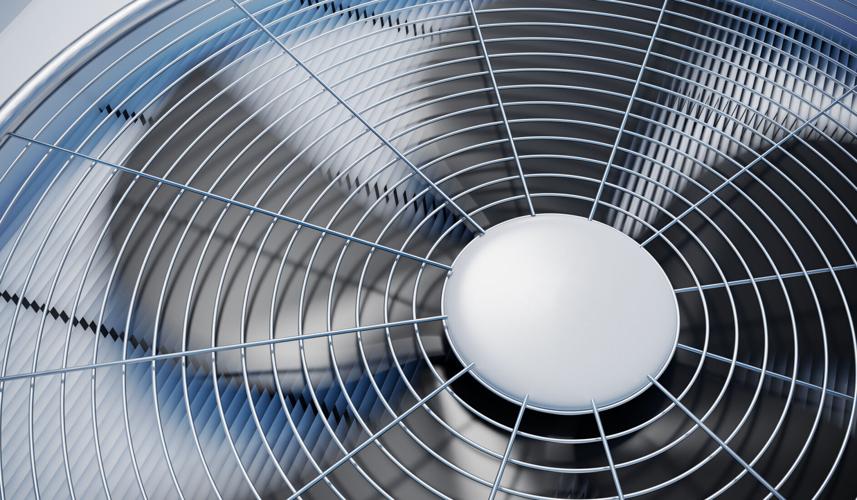







Heat Pump System Installed on Modern Building Exterior. 3D Render
If you make a purchase after clicking on links within this article, Lee Enterprises may earn affiliate commissions. The news and editorial departments had no role in the creation or display of this content. All opinions and views are of the advertiser.
Heating, cooling, and plumbing — from a team that's been doing this in the region for over 40 years.
- Available 7 days a week: HVAC Emergencies Don't Keep Business Hours
- Guaranteed in writing: Written estimate you approve before any work starts
Free estimates · Licensed & insured · Serving greater Omaha and surrounding areas
Real estate negotiations have a way of fixating on kitchens and roofs. The HVAC system usually gets a line item in the inspection report and not much else, which is a mistake that shows up on both sides of the table.
If you're buying, what's already running in that house will determine what you're paying for utilities and repairs for years. If you're selling, a system with known problems is leverage the buyer will absolutely use. Either way, it's worth understanding what you're actually looking at before you get to closing.
What the inspection report won't tell you
A home inspection flags obvious problems. What it doesn't do is tell you whether a technically functional 14-year-old furnace is a year from failure, or whether the high energy bills the seller mentioned are outliers or a symptom of something bigger. HVAC problems and high energy bills travel together for a reason: a system losing efficiency doesn't announce itself dramatically. It just costs more every month until something finally gives.
Old house HVAC problems are a specific category. Homes built before the 1970s often have ductwork that was retrofitted rather than designed, insulation that doesn't meet current standards and systems that have been replaced piecemeal over the decades. The common HVAC problems in these homes tend to feel like minor annoyances right up until they don't: uneven heating and cooling, systems that short-cycle, vents that barely move air.
The basement question
In many Midwest homes, the HVAC system lives in the basement. That's worth paying attention to during a walkthrough. Basement HVAC moisture problems are among the most common things technicians find when they're called in after a sale closes. The region's climate pushes humidity through foundation walls in summer and creates conditions where rust, mold and deteriorating ductwork develop slowly enough that nobody notices until it's a repair bill.
HVAC humidity issues don't always look like HVAC issues at first. They show up as a musty smell when the heat runs, reduced airflow in certain rooms, a system that seems to work fine until it doesn't. If the basement smells damp during a showing, that's information worth acting on before the inspection period closes.

Close up view on HVAC units (heating, ventilation and air conditioning). 3D rendered illustration.
What it's worth, in actual dollars
A system that's aging, inefficient or showing basement HVAC issues gives a buyer real negotiating room. Replacement costs for a full HVAC system in a midsize Midwest home run anywhere from several thousand dollars into the low five figures depending on the equipment and complexity of the installation. A seller who knows this and gets ahead of it, either by having the system serviced before listing or by pricing accordingly, is in a better position than one who finds out during negotiations.
For buyers, getting an HVAC-specific evaluation before the inspection period closes is worth the cost. Aksarben offers service 7 days a week across the Omaha region, and a pre-purchase assessment gives you a real picture of what the system is worth and what it's going to cost, which is a different question than whether it currently turns on.
The short version
The HVAC system is one of the most expensive things in the house. It affects the energy bill, the air quality, the comfort of every room and the negotiating position of whoever knows more about its condition. At closing, information is leverage. Getting that information before you need it is the move.