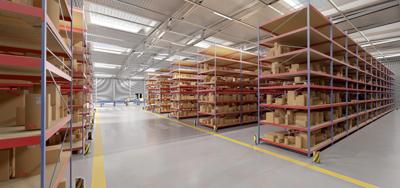
The listing said "in stock this morning." The shelf tag is still there. The product is not, and the retailer just lost a sale it never had to lose. What most shoppers don't know is that the missing item probably exists, sometimes in the same building.
The scale of those lost sales is larger than most shoppers would guess. Out-of-stocks account for $690.9 billion in global retail losses each year, according to research from analyst firm IHL Group. That makes empty shelves the single largest category of what the industry calls inventory distortion, ahead of the $572 billion retailers lose to overstocks.
Retailers expect 17% of holiday sales to come back
The holiday season compounds the math. Retailers expect 17% of holiday sales to be returned, according to the 2025 Retail Returns Landscape report from the National Retail Federation and Happy Returns. Across the full year, returns are projected to reach $849.9 billion, or 15.8% of annual sales.
Every returned item has to be checked back into stock counts that were already unreliable. A forecast built on holiday sell-through gets noisier when nearly a fifth of those sales boomerang back in January.
Automated reorder points catch the shortage before the shelf empties
The common thread in the data is timing. The retailers losing the most find out about shortages when the shelf is already bare. The alternative is purchasing software with automated reorder points, which tracks sales trends against vendor lead times and generates a purchase order the moment inventory dips below threshold. Once approved, the PO goes straight to the vendor, and the reorder is in motion while the product is still on the shelf.
That shift, from reacting to shortages to anticipating them, is what separates the two halves of the market IHL describes.
Retailers using AI in inventory post 2.3x higher sales growth
IHL's research points to a split already underway. Retailers deploying AI and machine learning in inventory management are posting sales growth 2.3 times higher and profit growth 2.5 times higher than competitors, yet fewer than one in four have rolled those tools out in the areas most affected by distortion. For shoppers, that gap will decide which stores still have the item in December and which ones send them home to order it from someone else.
This content is for informational purposes only by the contributor and contains links to third-party websites or services that are not owned or controlled by the publisher, Lee Enterprises, Inc. or its affiliates. Any claims, recommendations or errors related to AI are the contributor’s own. Readers are encouraged to carefully review terms and evaluate all products and services
Lee Enterprises newsroom and editorial were not involved in the creation of this content.