

Lee Enterprises newsroom and editorial were not involved in the creation of this content.
While growth in everyday communities is expected no matter where one lives, the population boom within the United States has surged over the past 50 years. With the Pew Research Center reporting that the United States has gained over 120 million people in that time, it is easy to see why new infrastructure is potentially important in everyday communities, especially as they begin to grow.
Though obvious infrastructure, such as new housing, businesses and roads, is easy to see, continued expansion ultimately depends upon what most people rarely see. This is where companies such as W.A. Rasic Construction may play a critical role in helping communities not just expand but modernize essential utility systems.
People are also reading…
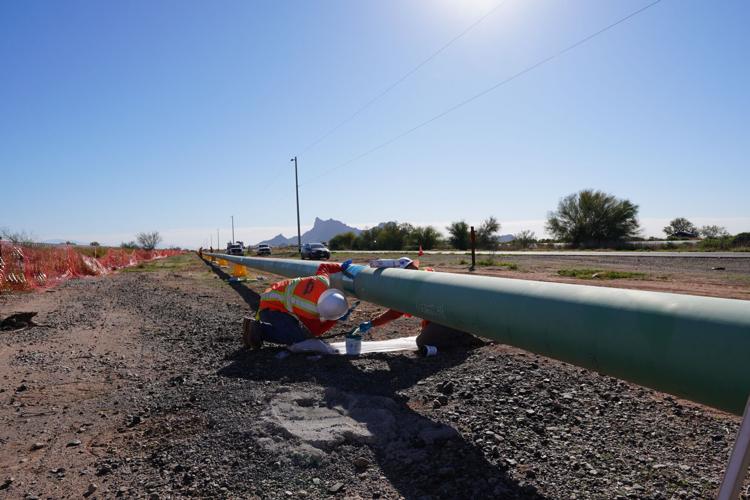
These systems, which involve everything from water lines, wastewater systems, storm drains, underground power and gas infrastructure, form a hidden network that typically allows communities to expand not just safely, but reliably.
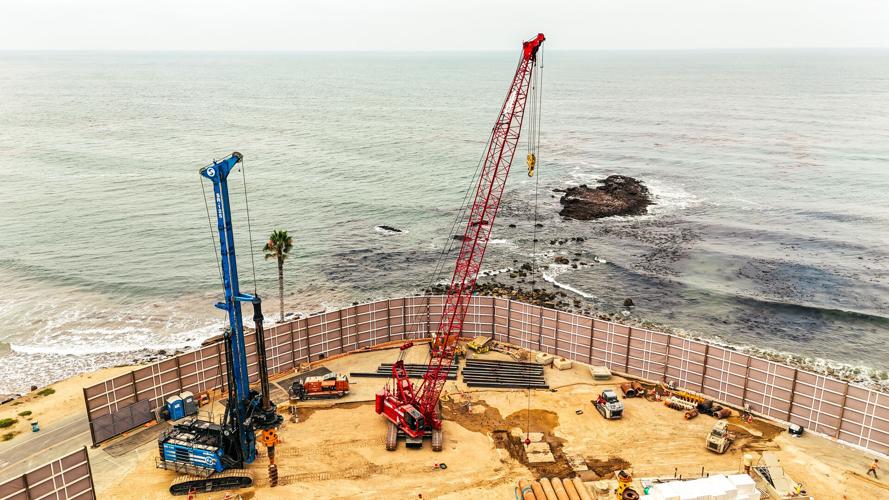
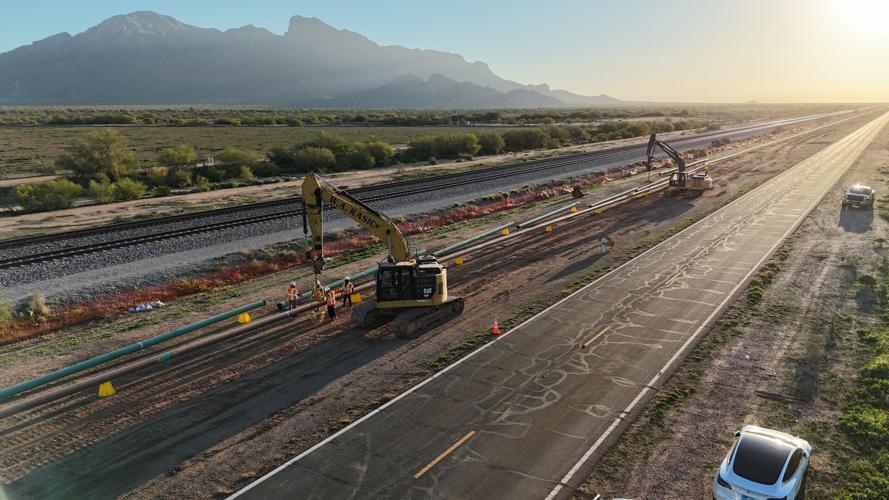
At W.A. Rasic, that hidden layer is the work they do across Southern California and the Western United States. The company not only helps public agencies and private clients potentially expand their utility capacity, but also potentially modernizes aging systems and maintains essential service while completing the complex underground construction that helps communities thrive.

How Infrastructure Helps Growing Communities Expand
Roads, water systems and utility connections for housing and development generally allow growing communities to expand. Without these crucial systems, growth not only becomes difficult but also typically unsustainable, especially as populations expand. Communities must generally rely on large-scale upgrades to water, wastewater and transportation systems in order to keep pace with the rapid growth of expansion.
Projects that are carried out by W.A. Rasic Construction can showcase how this works. In Los Angeles County, the company has helped deliver a wastewater tunnel project that is designed to improve capacity and protect the environment while potentially serving millions of residents in the region. This type of infrastructure not only ensures that the region may continue to grow, but also that it may have access to reliable sanitation and other services.
Helping Communities Function During Underground Work
Utility upgrades often take place beneath a community’s active roads, freeways, commercial corridors and even their neighborhoods. This requires careful coordination to not just maintain access, but also reduce disruption to the community.
Mobility wholly depends on the systems that run alongside transportation networks. W.A. Rasic Construction’s work on the Monetzuma/Mid-City Pipeline in San Diego includes tunneling beneath Interstate 8, while coordinating roadway improvements to maintain traffic flow throughout the construction process. These projects show how infrastructure upgrades are not solely about building new systems, but are potentially keeping communities moving safely while these new systems are put in place.
Supporting Development Through Reliable Systems
Utility infrastructure typically supports the economy by allowing it the opportunity to grow. This may include creating reliable water service, enhancements to wastewater capacity, stormwater control, energy access and underground utility corridors.
Large-scale utility and infrastructure work to support that growth. Projects that involve water, wastewater and energy systems potentially help create opportunities while building foundations for future developments.
When infrastructure is modernized, businesses may benefit from more reliable services, reduced disruptions and better access to transportation networks. In regions where aging systems are replaced or expanded, infrastructure improvements may help support new development while possibly even supporting existing businesses.

Protecting Public Health Through Water-Based Infrastructure
Clean water systems, wastewater management and reliable power can potentially help reduce health risks and improve living conditions. However, when these systems are outdated or overloaded, communities often face risks related to contamination, service disruptions and impacts to the environment.
Strong infrastructure may also support emergency response and long-term resilience in communities, as reliable systems can typically allow them to respond more effectively to extreme weather events, power outages or increases in demand during peak periods.
Improving Daily Life Through Unseen Systems
Most people do not think of underground utilities unless they stop working. Clean water in taps, wastewater moving safely from homes and businesses, storm drains handling rain, power reaching neighborhoods and reliable gas service are among only a few of the infrastructures that are buried beneath the surface. This is why underground utility work typically has a direct effect on daily life.
For W.A. Rasic Construction, the role of infrastructure does not only lie in the finished projects they create but also in the planning, coordination, safety and execution required to complete complex utilities in active communities. While most will never see this infrastructure, everyone typically depends upon it.
About W.A. Rasic Construction
Founded in 1978, W.A. Rasic Construction Company is a California-based general engineering contractor that specializes in underground utilities, water, wastewater, power, communications, gas and oil, and heavy civil construction. For over 45 years, W.A. Rasic has supported the infrastructure in both public and private sectors across the Western United States, serving them with complex utility construction, trenchless work, pipeline installation and essential infrastructure upgrades.