
A hurried call to 911. A woman’s shaky voice says her elderly father has wandered away and he might be lost and confused.
It’s a scenario that has affected more than a few families.
In today’s police world, the nearest officers and rescue workers drive to the home and start searching on foot, while special resources like dogs, drone pilots and helicopters take time to load up and deploy.
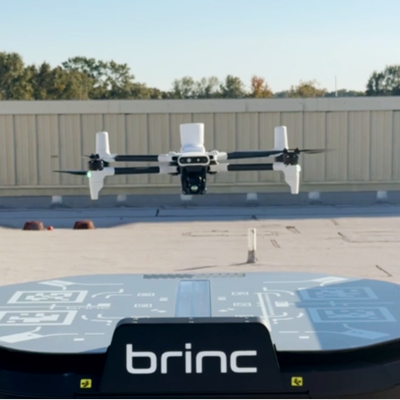
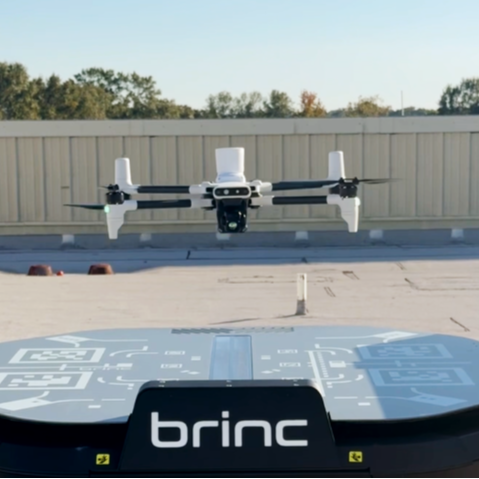
In tomorrow’s police world, the first unit on scene could be a new automated drone that finds its own way to a call in minutes and becomes the eye in the sky for responding officers.
St. Charles County is launching a “Drones as First Responders” program, following council approval. The program will send self-guided drones to 911 calls along with, or ahead of, human responders.
People are also reading…
“It integrates with our computer-aided dispatch system, which picks the closest drone to the call and then sends us an alert that says, ‘Do you want to fly to this?’” explains St. Charles County Police Sgt. Scott Ronald, who is heading up the initiative. Video from the drones would stream back to Ronald’s team at the Regional Information & Intelligence Center (RIIC), who could also take remote control of the drone’s camera and position.
County Police Chief Kurt Frisz says having a bird’s-eye view of the scene before officers arrive will improve safety and response times.
“It lets our officers and other first responders know what they’re walking into,” Frisz says. “Are there any active threats? Are there roadblocks they need to detour around? Where are the civilians, and does anyone appear injured?”
A recently approved contract with tech company BRINC Drones will provide five units, each consisting of a docking platform and drone, with the units provided for free in the first year and then at a cost of $900,000 over the next three years.
Each drone has a deployment range of a little over 3 miles and a battery life allowing about 40 minutes of fly time, including time needed to return to its dock.
“The drone docks would be stationed at partnering locations throughout the county, which could be anything from schools to businesses,” Sgt. Ronald says. “Those locations are being finalized.”
The drones are an early step, Ronald says—more would be needed to cover the whole county. But the same tech company, BRINC, is forecasting a new model in 2027 with nearly three times the operating range and longer battery life, enabling full county coverage with as few as 10 drones. That would be a more viable option if the county decides to expand their use, Ronald says.
“I do think this is the future of what law enforcement is going to be,” he comments. “Maybe not tomorrow, but everything is heading in the direction of using this technology to improve police response.”