


For all the civic hoopla over bounding growth during the 1870s, it was a time of deep trouble in working-class neighborhoods. A Wall Street financial panic threw people out of work and cut wages.
On July 16, 1877, the Baltimore & Ohio Railroad — a line connecting to St. Louis — slashed pay a third time in three years. Crews in Martinsburg, W.Va., refused to move trains. Resistance spread. Strikers were shot down in Reading, Pa., and Cumberland, Md.
In East St. Louis, railroad workers moved to halt traffic over the Eads on July 22. The next day, their brethren in St. Louis took over Union Depot on 12th (Tucker) and Poplar streets, the city’s main station.
People are also reading…
Workers in many local industries joined in a wildfire of protest, creating the first and probably largest general strike in the United States. The strike controlled the city for four days until it was snuffed by a counterattack by the upper classes. Somehow, nobody died.
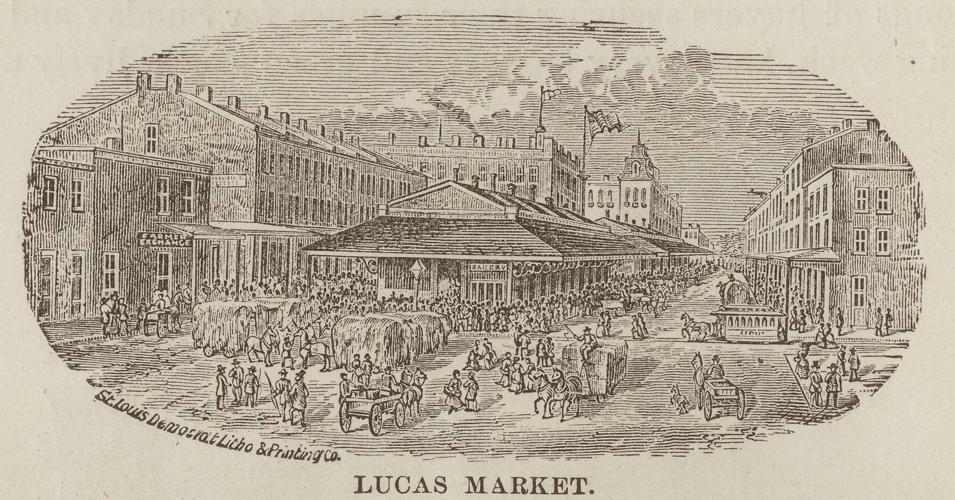
For three nights, thousands of strikers attended rallies at the open-air Lucas Market at Olive and 12th streets. It was a fitting location for the city’s gaping social divisions.
St. Louis’ rich lived in fine homes to the west on Olive, Pine and Chestnut streets, around Lafayette Park and on tony new Vandeventer Place, near North Grand and Delmar boulevards. They dined at Tony Faust’s restaurant, at Broadway and Elm Street.
The poor shared woeful conditions in neighborhoods north and south of downtown, running west from the river. A squalid tenement called Castle Thunder was at Eighth and Carr streets, one block northwest of today’s Dome at America's Center. Nearby were shabby rows called Clabber Alley and Wildcat Chute.
In 1877, less than a fifth of St. Louis’ workforce wore suits and ties. The rest toiled for 36 railroads, 32 breweries, 28 iron foundries, 26 flour mills, 500 clothing manufacturers and other grimy places. Many worked for less than $1 a day.
The first recorded strike in St. Louis was by the Benevolent Society of Journeyman Tailors in 1835. Unions grew during the Civil War but were crippled by the financial Panic of 1873.
The high tide of the general strike in 1877 was on July 25, when workers marched through downtown singing the “Marseillaise,” the anthem of the French Revolution. Police hid behind the walls of the Four Courts Building, at 11th and Clark streets.

Headlines over a story in the St. Louis Republican on July 28, 1877, describing the capture of strike headquarters. The Republican, then the city's most conservative establishment newspaper, crowed over the result. Most of the daily newspapers called the strikers "rabble," but the Republican referred to them as "canaille," or dogs.
Nervous business leaders gathered volunteers and guns for a militia. On July 27, more than 600 marched upon strike headquarters in Schuler’s Hall, at Broadway and Biddle Street. A vanguard of police rushed the building, arresting 75 strikers. The rest fled.
Federal troops retook the East St. Louis yards the next day. The strike was broken.
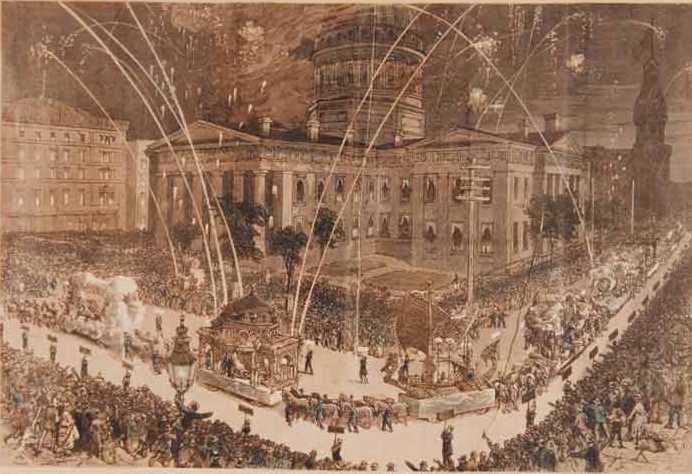
Eight months later, leading businessmen founded the Veiled Prophet organization. Riding upon floats bought from Mardi Gras in New Orleans, members rolled their first parade on Oct. 8, 1878. It was a blunt assertion of social hierarchy.
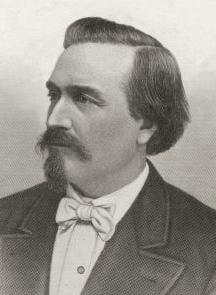
That year’s prophet — the only one ever revealed by the secret society — was Police Commissioner John G. Priest, who had worked to suppress the strike.
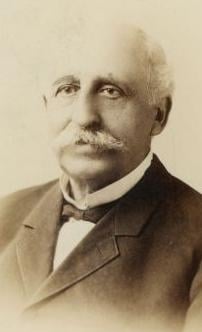
Priest
Slayback brothers help found Veiled Prophet in year after General Strike

The first Veiled Prophet parade moves south on Fifth Street (Broadway) on Oct. 8, 1878, past the St. Louis (Old) Courthouse. Some of the wealthy businessmen who formed the secret organization had helped put down the 1877 general strike. Many historians believe that part of the reason for creating the parade was to reassert the social hierarchy. Members rode on floats high above the masses watching from the sidewalks. The organization bought its first floats from New Orleans Mardi Gras. Image courtesy Missouri History Museum
Charles and Alonzo Slayback were brothers from New Orleans. Charles was a wealthy grain dealer, Alonzo a lawyer who had been a Confederate officer.
They were leading organizers in 1878 of the Mysterious Order of the Veiled Prophet, a secret society of successful men in St. Louis. Their first meeting was in the swank Lindell Hotel, at Sixth Street and Washington Avenue.
Charles proposed forming the organization to revive the city's flagging Agricultural and Mechanical Fair, an annual event. Alonzo added the sparkle of a mysterious prophet and a parade for the masses.
For high society, they held a formal ball. Alonzo's daughter, Susie, was the first "belle of the ball," forerunner of the annual VP queen.
Veiled Prophet: Symbol of wealth, power and, to some, racism
1878 Veiled Prophet
1925 Veiled Prophet
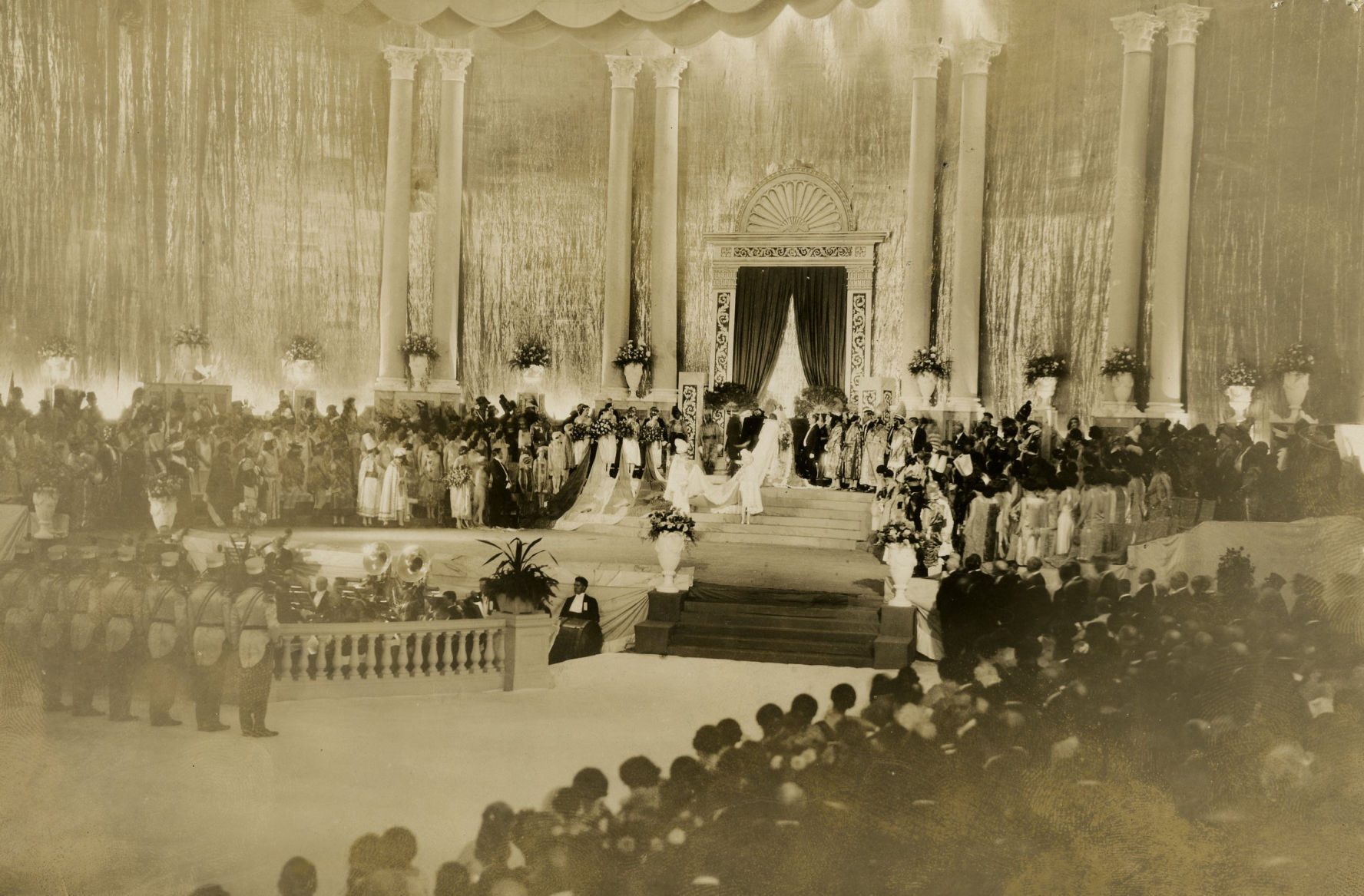
In his 46th visit to St. Louis, the Veiled Prophet crowned Maud Streett the queen of love and beauty. The ball was held at the Coliseum; Streett was the daughter of the 1902 queen. Post-Dispatch archive photo
1934 - Veiled Prophet
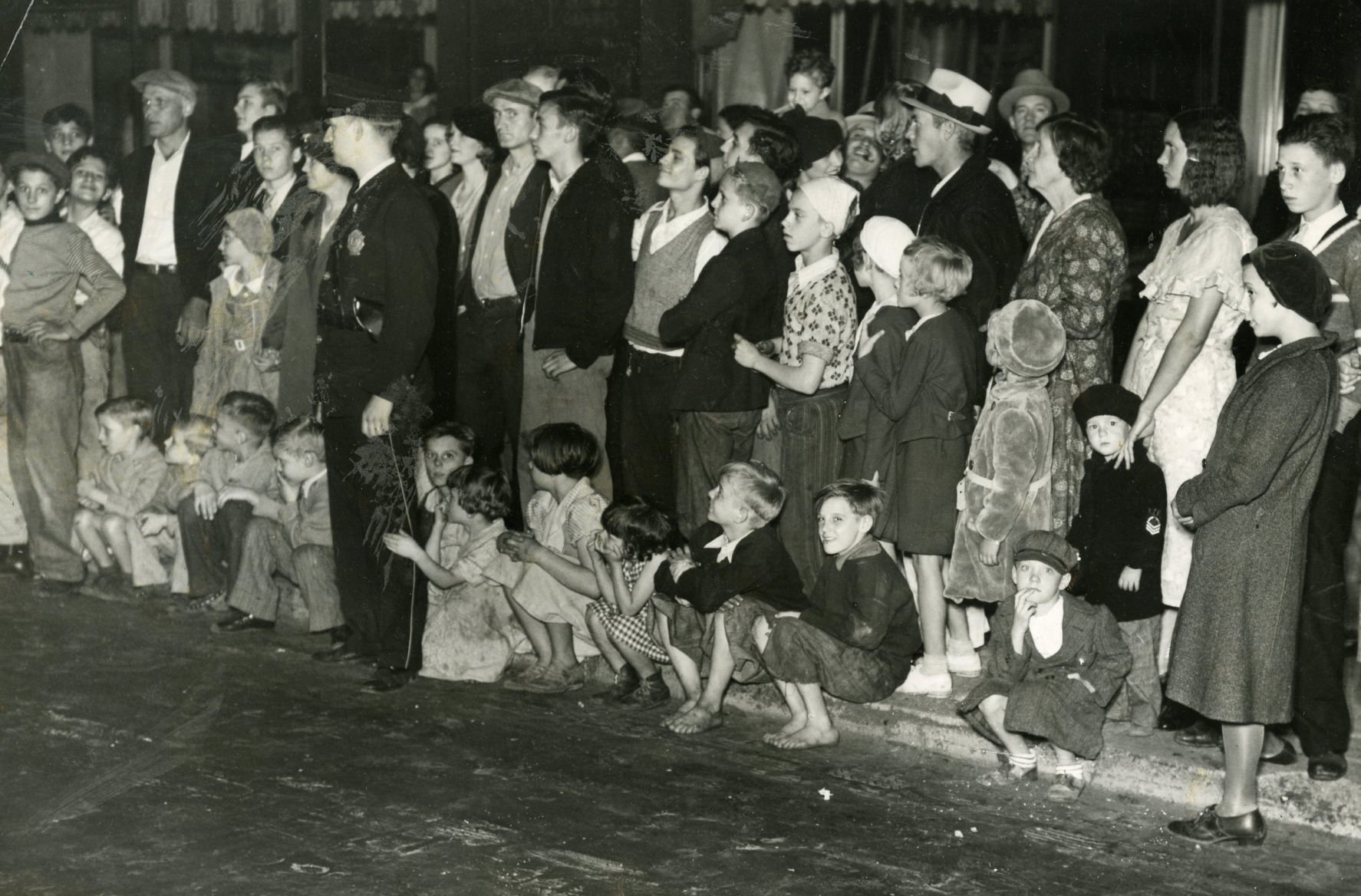
Children, teens and adults await the start of the Veiled Prophet parade on Oct. 3, 1934. An article about the parade noted that some in the crowd created a "rain of peas and BB shot." Post-Dispatch archive photo
1938 - Veiled Prophet
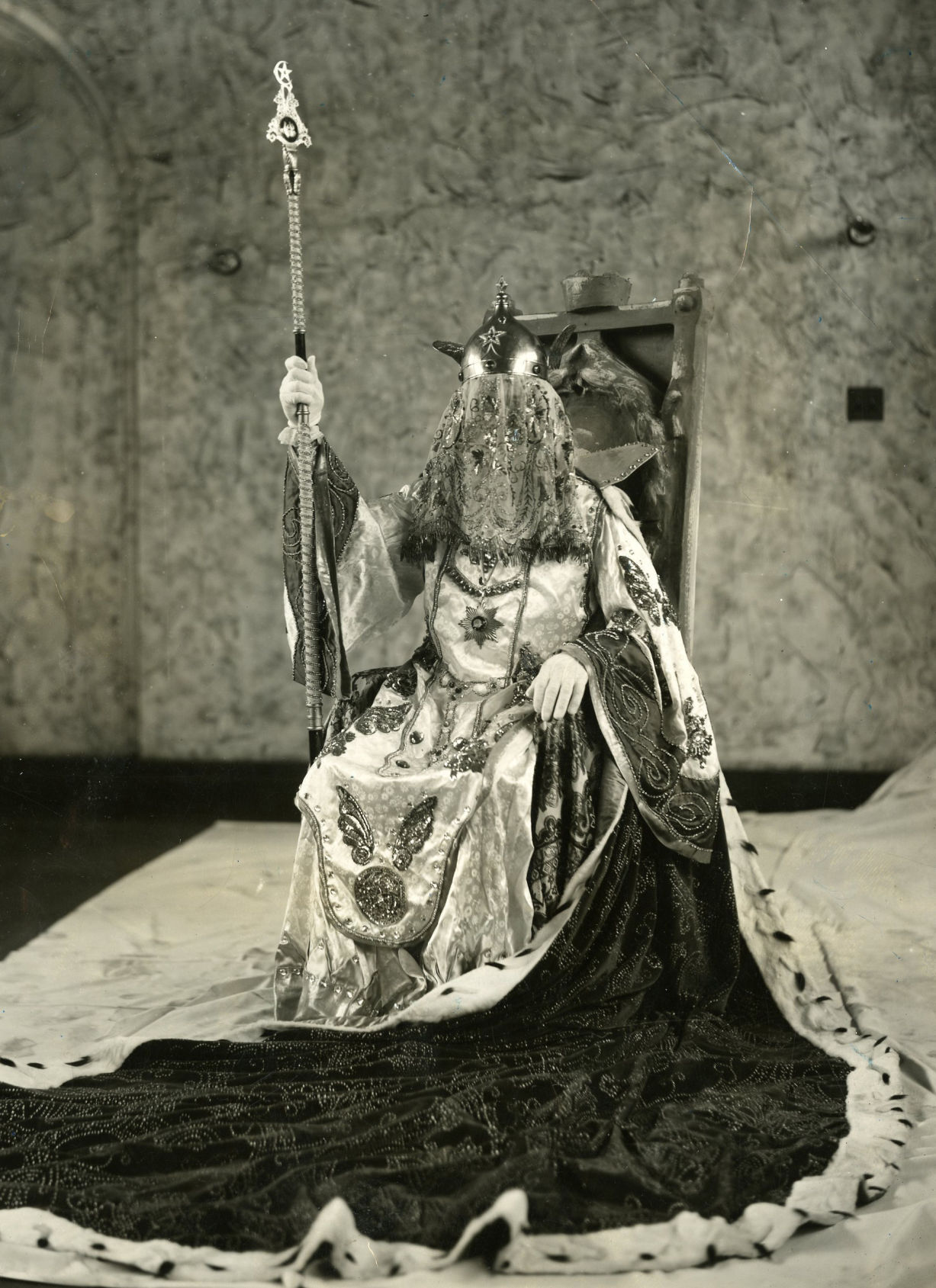
A 1938 portrait shows the Veiled Prophet in full regalia. In the first decades of the ball, it was held in October.
1947 Veiled Prophet parade
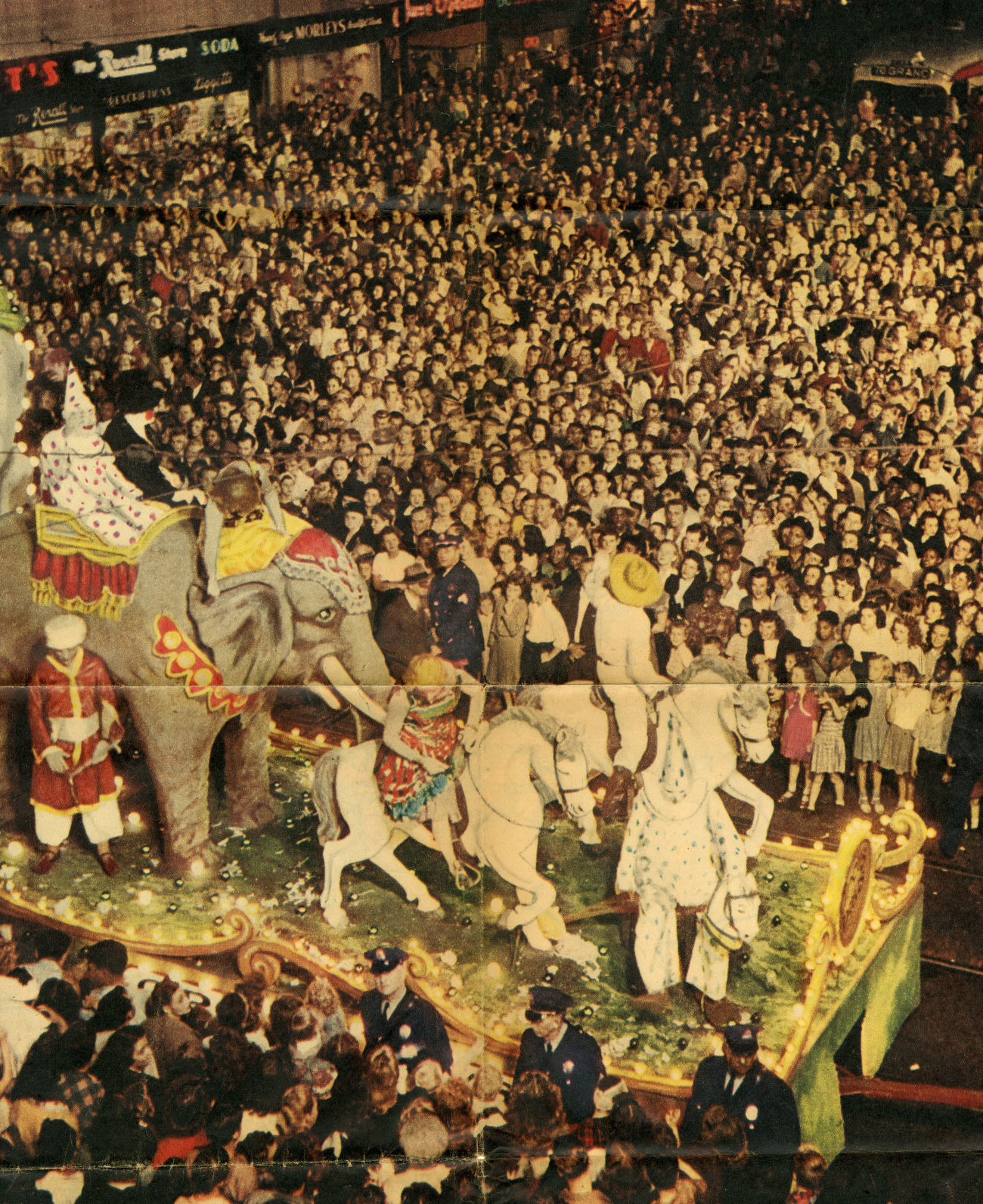
A scene from the October 1947 Veiled Prophet parade shows the size of the crowd at Grand and Olive. Post-Dispatch archive photo
1948 Veiled Prophet
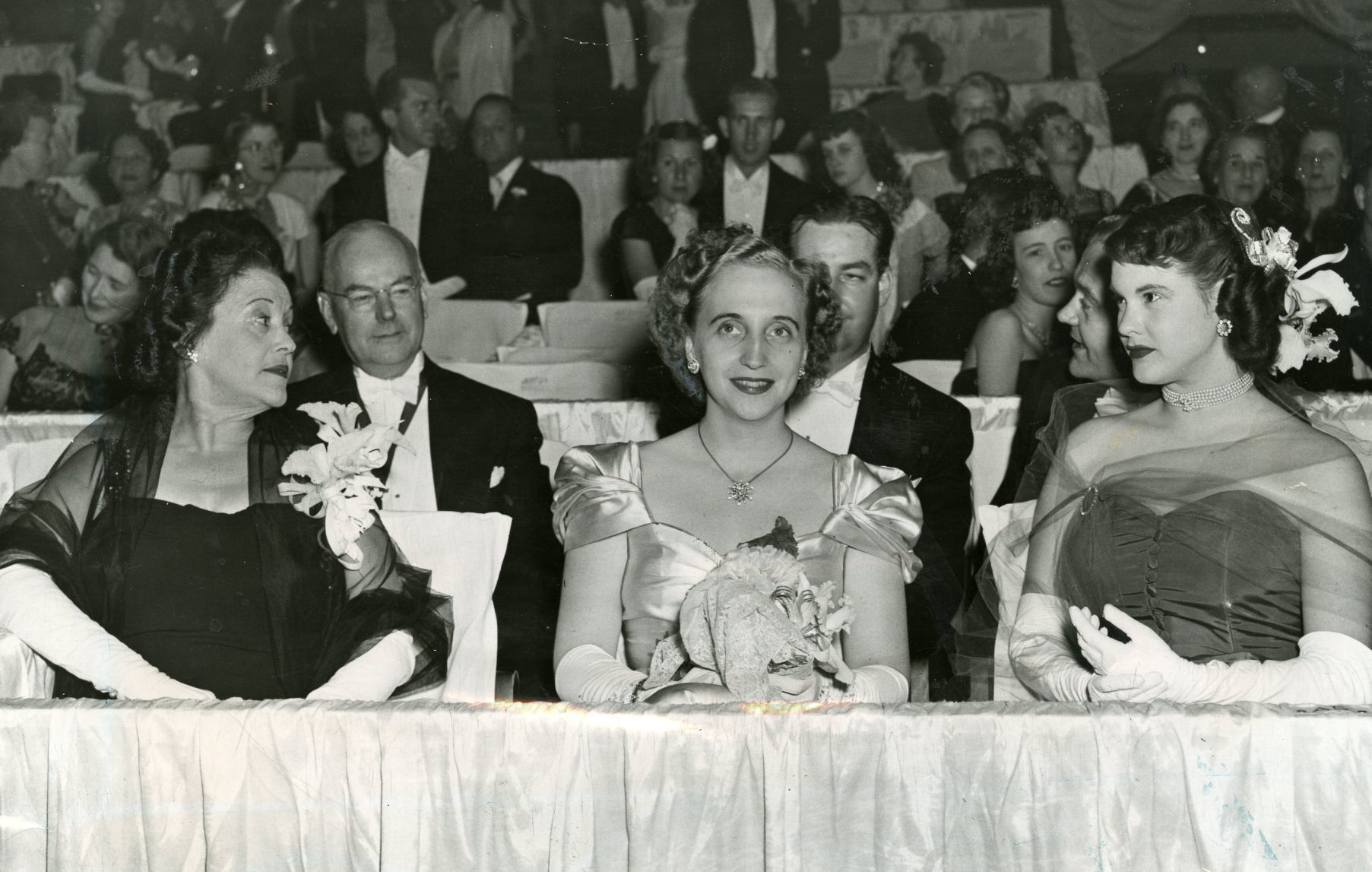
While her father was still president, Margaret Truman (center) attended the 1948 Veiled Prophet Ball. She watched the pageant from a special box with (from left, front row) Evelyn Snyder, the wife of the Treasury secretary, and Drucie Snyder. Behind the women, on the left, is Secretary John W. Snyder. Post-Dispatch archive photo
1948 Veiled Prophet

Helen Conant, left, with Drucie Snyder, the daughter of the U.S. Secretary of the Treasury, and Margaret Truman, right. Post-Dispatch archive photo
1949 Veiled Prophet
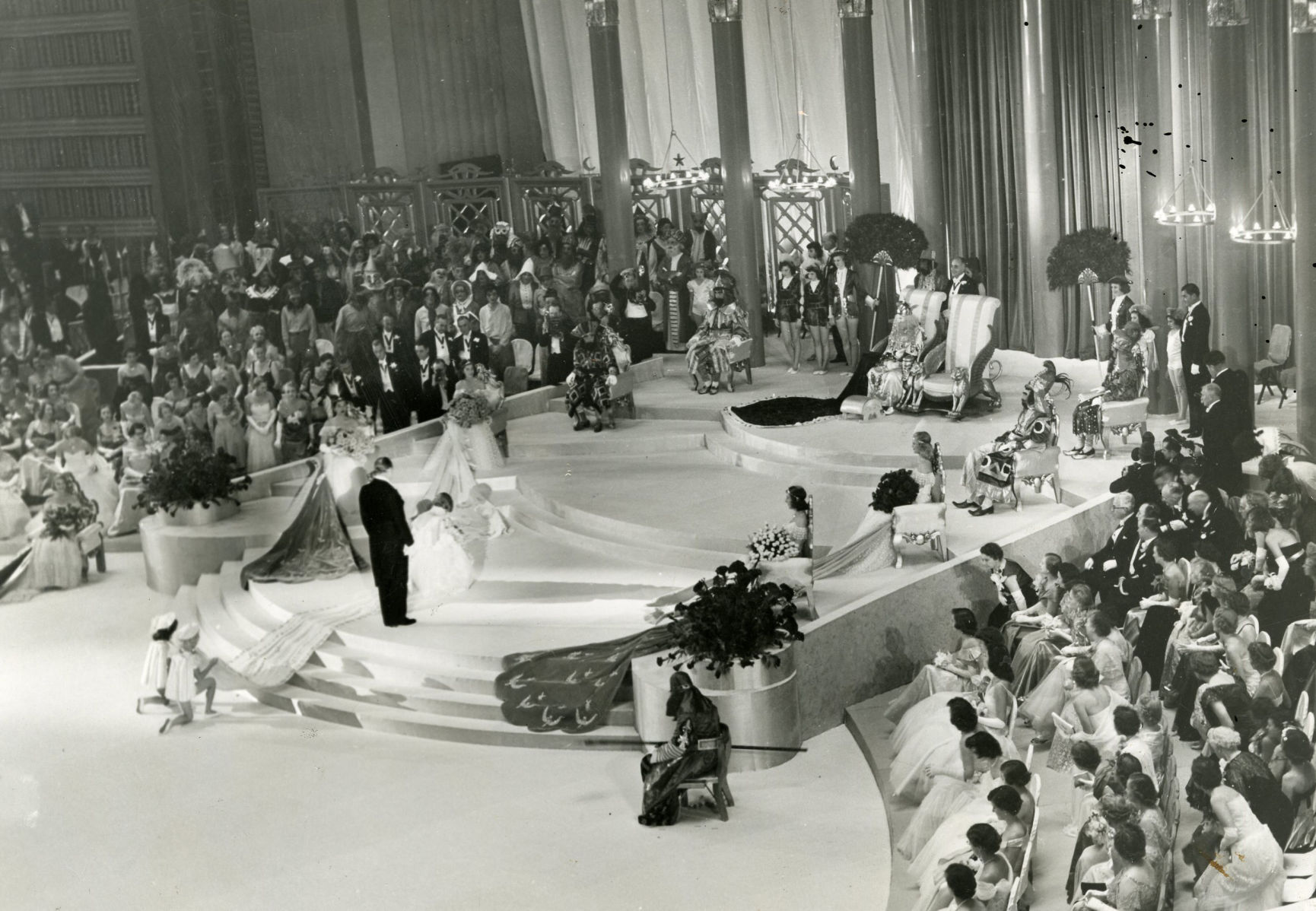
Carol Gardner, escorted by John M. Olin, bows before the Veiled Prophet at the 1949 ball at Kiel Auditorium. Gardner's paternal grandfather was a Missouri governor; her maternal grandfather was an early St. Louis auto manufacturer, then the Federal Housing Administrator. Post-Dispatch archive photo
1950 Veiled Prophet

The parade and ball were both televised. The first televised ball was in 1946. In 1950, KSD-TV broadcast the ball to the 175,000 homes in St. Louis that had a TV. The broadcast was also sent to 40 stations in the country through Columbia Broadcasting Co.; it was estimated that 20 million people saw the show. Post-Dispatch archive photo
1950 Veiled Prophet
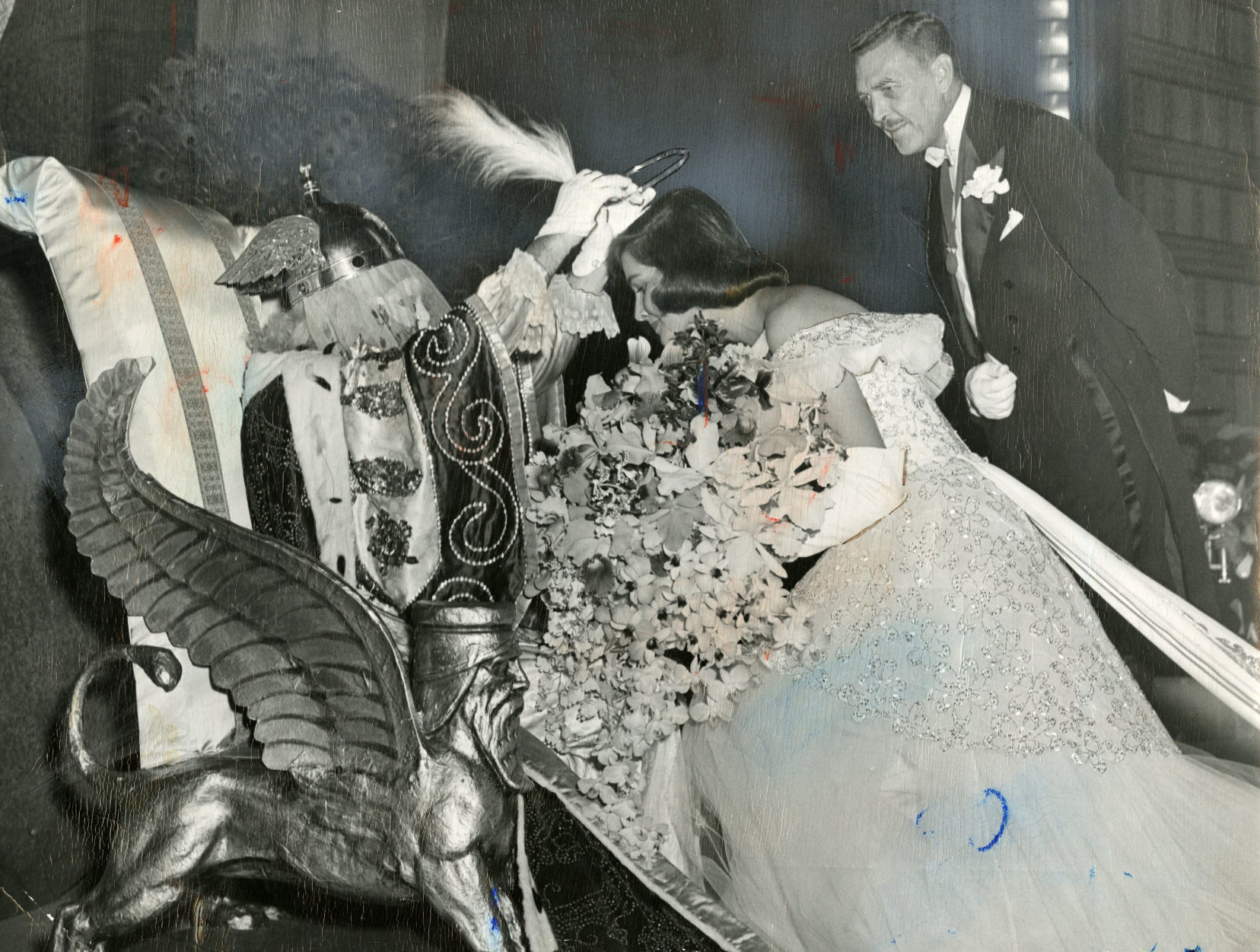
Eleanor Koehler is crowned at the 1950 Veiled Prophet Ball. Her escort is William H. Luyties. Post-Dispatch archive photo
1950 Veiled Prophet

The queen and the special maids of honor at the 1950 ball: (from left) Florence Weld, Jean Lewis, Eleanor Koehler (the queen), Celeste Smith and Anne McCandless. Post-Dispatch archive photo
1959 Veiled Prophet
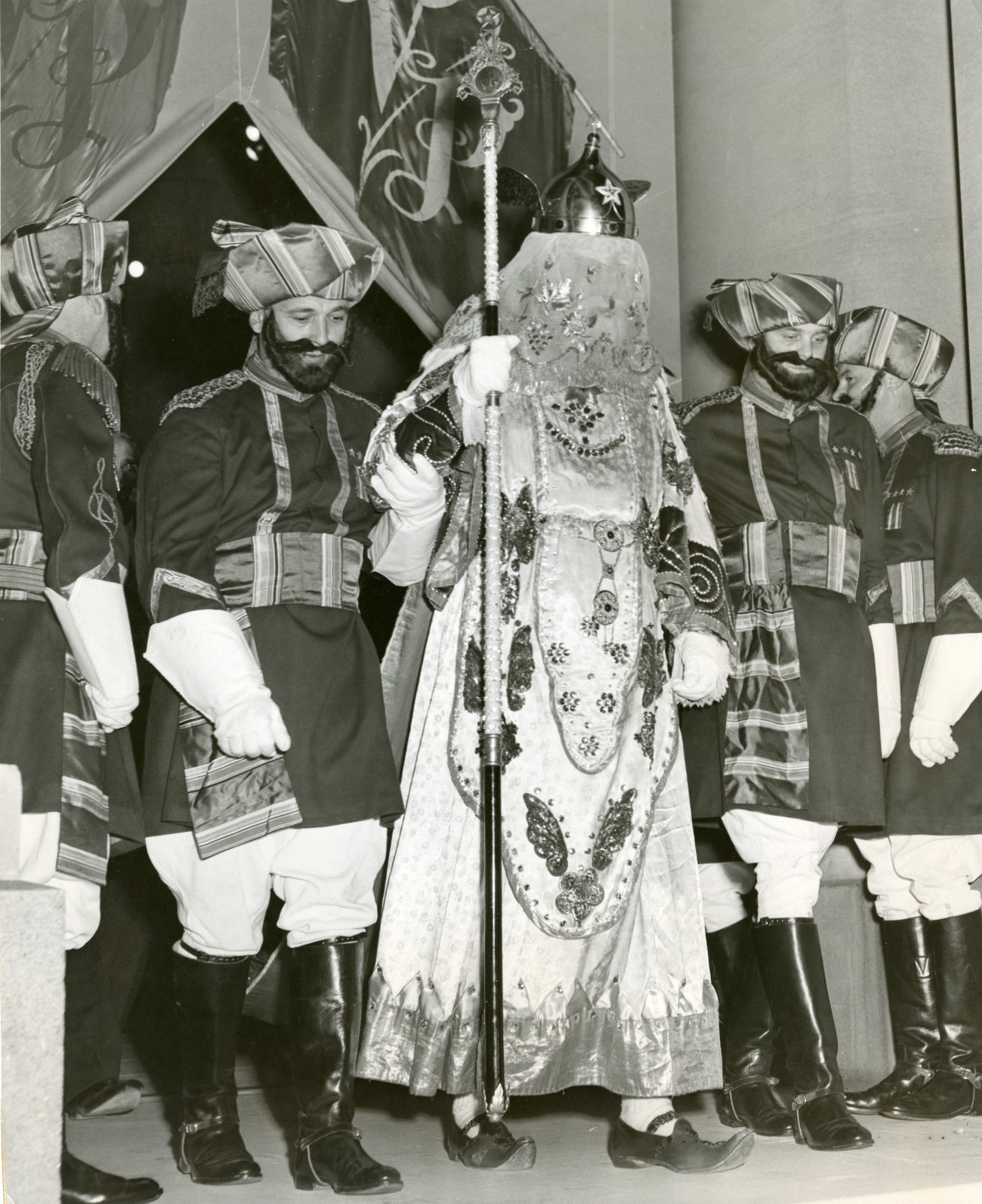
The Veiled Prophet is escorted by his "Bengal Lancers" in 1959. Post-Dispatch archive photo
1963 Veiled Prophet

Before the September 1963 ball, Mary Flaven (left) gets help with her formal gloves from Trent Barnes (right) and Ann Weise. Post-Dispatch archive photo
1969 Activists picket the Veiled Prophet Ball
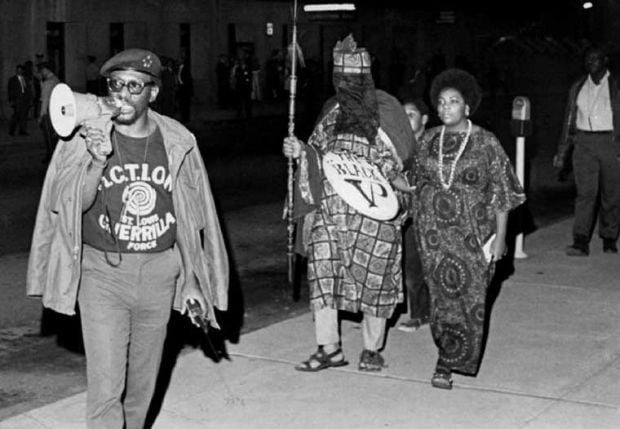
Percy Green of ACTION (Action Council to Improve Opportunities for Negroes) heralds the arrival on Oct. 3, 1969, of the "black veiled prophet" and his queen at Kiel Auditorium, where the annual Veiled Prophet Ball was taking place inside. ACTION frequently picketed the Veiled Prophet organization as racially exclusive and elitist. In 1972 in the same building, it engineered an unmasking of the man playing the role of the veiled prophet . (Gene Pospeshil/Post-Dispatch)
1972 Veiled Prophet
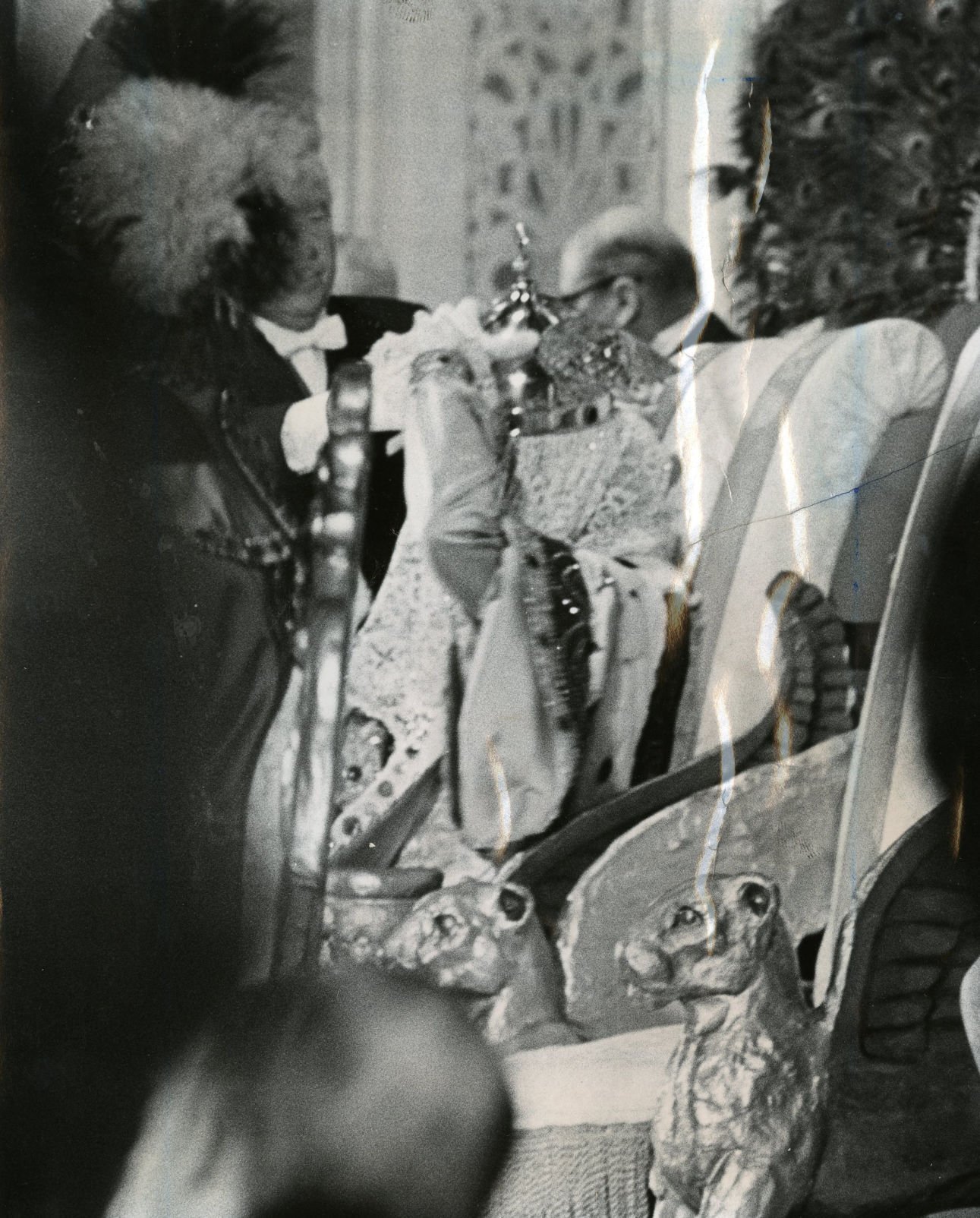
During the December 1972 Veiled Prophet Ball, Gena Scott yanked the veil off the Prophet. Scott was protesting with ACTION, a civil rights group. Scott and another white protester, Jane Sauer, entered the ball dressed in formal gowns, then dropped leaflets denouncing the ball to provide distraction as Scott approached the Prophet. The mysterious man was revealed to be Tom K. Smith Jr., a vice president of Monsanto, but the Post-Dispatch and Globe-Democrat didn't print his identity at the time. In this photo, the prophet readjusts his disguise. Post-Dispatch archive photo
1974 Veiled Prophet
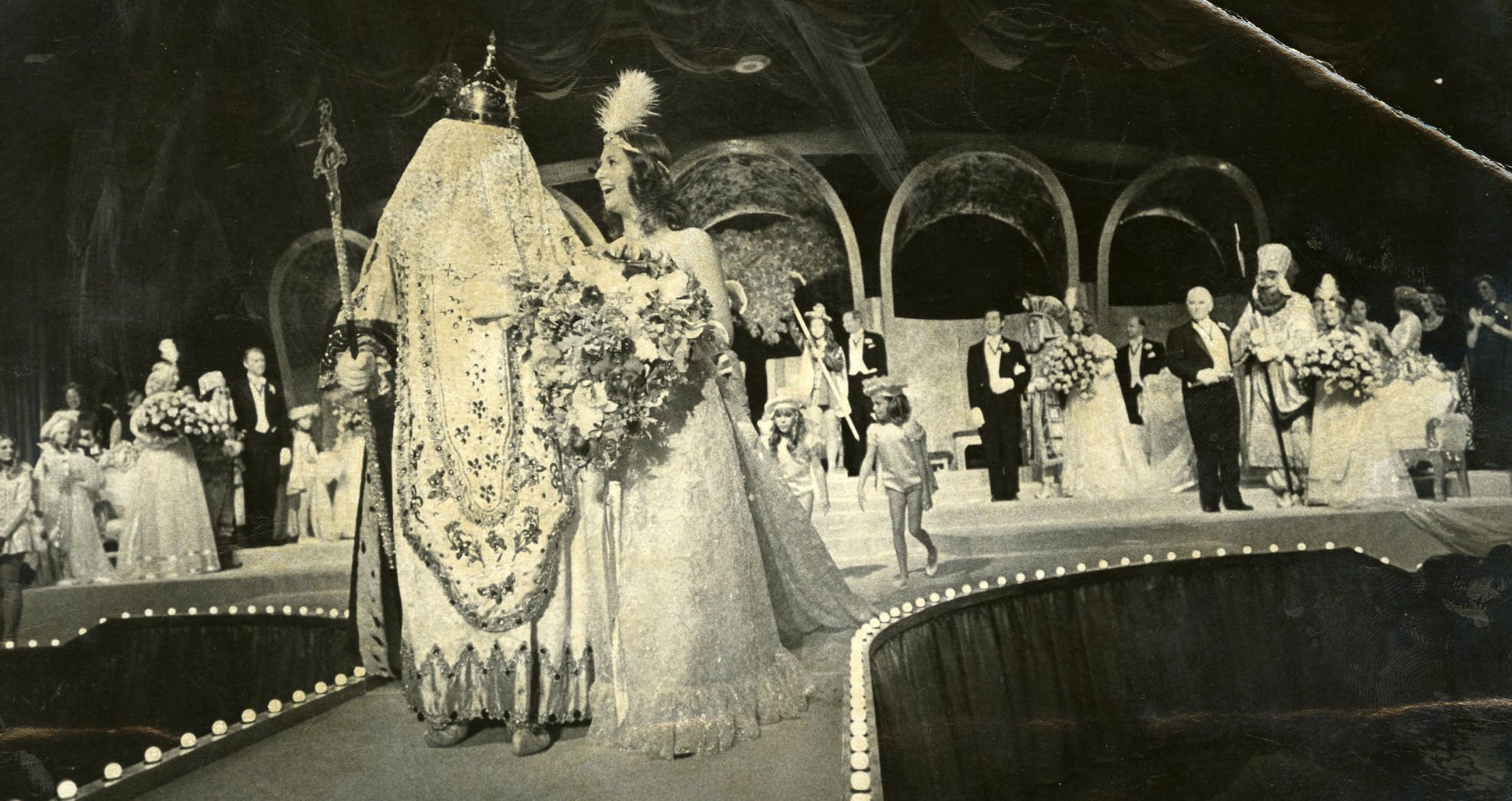
The 1974 queen of love and beauty, Susan Smith, is escorted down the aisle by the Veiled Prophet. The ball was held at the Chase Park Plaza Holte, in the Khorassan Room. Since 1936, the ball was at Kiel Auditorium. ACTION, a Civil Rights group, sued the city, which owned the venue, alleging it was condoning racism by allowing the ball to be held there. City officials settled the suit with the group. Post-Dispatch archive photo
1975 Veiled Prophet
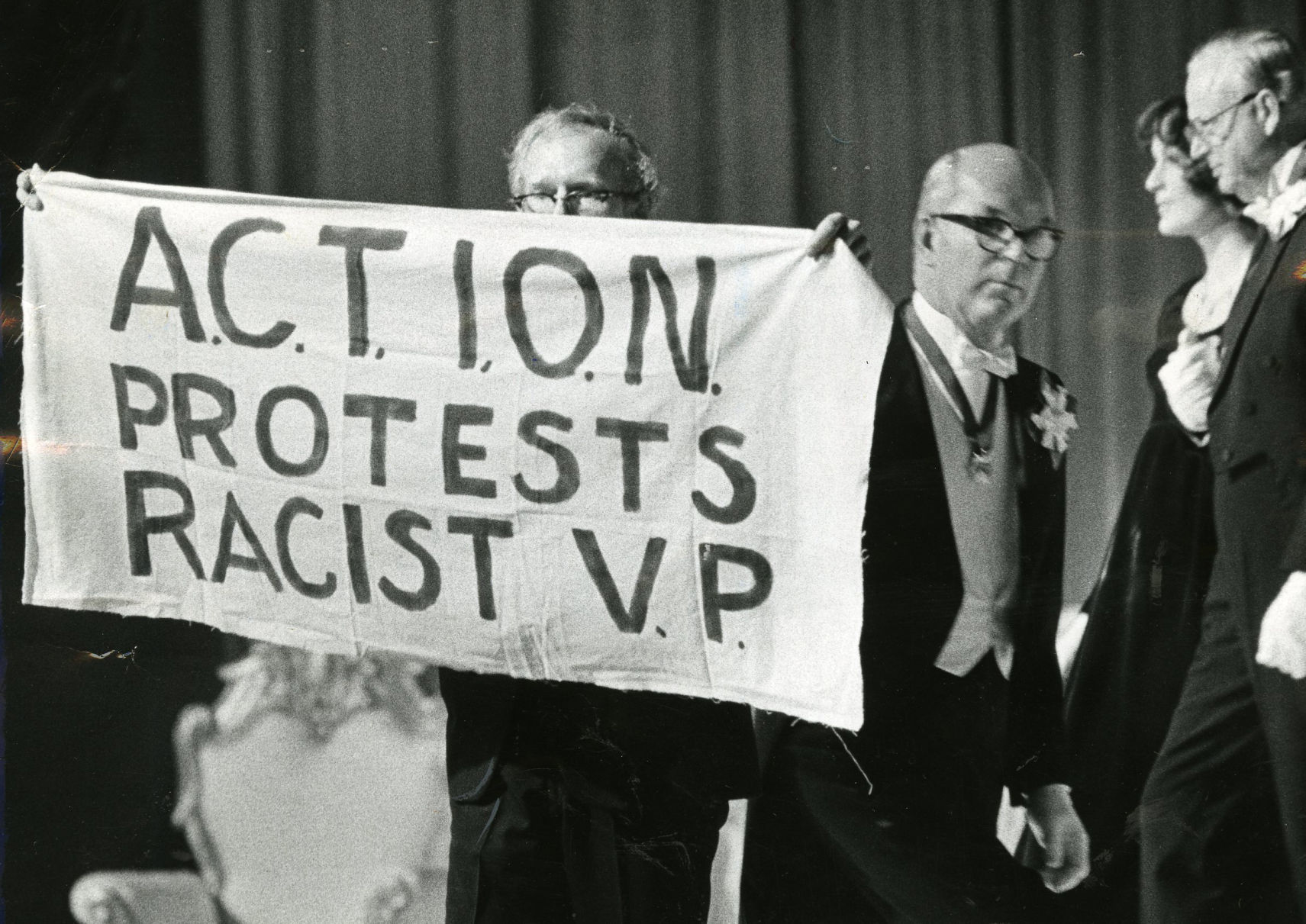
In 1975, Patrick Dougherty, a member of ACTION, unfurled a banner onstage at the Veiled Prophet Ball. He was escorted out of the event. Post-Dispatch archive photo
1976 Veiled Prophet
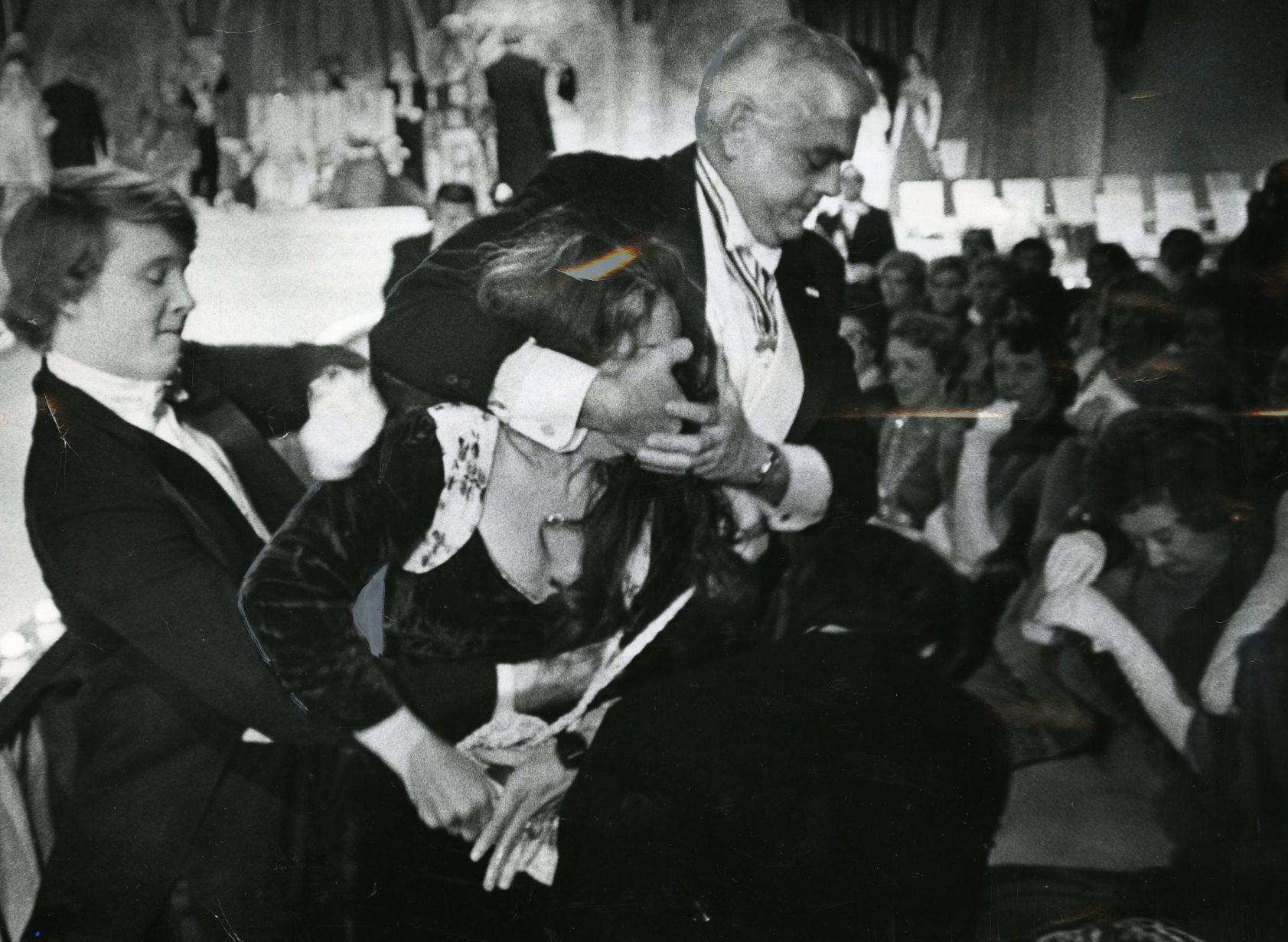
Annette Foster, an ACTION protester, is seized after spraying an irritant on people at the 1976 Veiled Prophet ball. Foster and another woman, Jessie Baker, were arrested. In 1978, Foster was convicted of assault. Post-Dispatch archive photo
1976 Veiled Prophet

A protester sprays an irritant during the procession at the 1976 Veiled Prophet Ball. Post-Dispatch archive photo
1997 - Veiled Prophet

Christina Clark (left) and Candice Nance look over the instructions before being presented at the December 1997 ball. The first black members of the Veiled Prophet Organization joined in 1979. Post-Dispatch archive photo
Dec. 24, 1999: Veiled Prophet Ball

Ellie Kemper became the 105th queen of love and beauty when she was crowned at the Adam's Mark Hotel's ballroom in 1999.
Fair St. Louis - VP Parade in Forest Park

Merrill Clark Hermann (center), the crowned Queen of Love and Beauty at the 130th annual Veiled Prophet Ball, rides in her float during the VP Parade as part of the Fair St. Louis festivities on Saturday, July 4, 2015 at Forest Park in St. Louis. Photo by Huy Mach, hmach@post-dispatch.com
2016 parade float

The Veiled Prophet float with Charlotte Capen Jones, the Queen of Love and Beauty, proceeds down Market Street Saturday during the 2016 Veiled Prophet Parade on July 2, 2016. Photo by Jerry Naunheim Jr.


