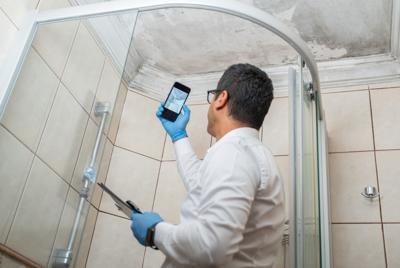


Insurance Adjuster Taking Pictures By Smartphone Of Bathroom Ceiling Damage
A new bill introduced in the St. Louis Board of Aldermen seeks to regulate mold in rental housing, aiming to protect tenants from the health risks associated with hazardous mold exposure. The proposed Board Bill Number 223, sponsored by Alderwoman Anne Schweitzer, would require inspections, tenant notifications, and remediation measures for rental properties where mold is present.
Why Is This Bill Being Proposed?
Mold-related health concerns have become a pressing issue in St. Louis and across Missouri, especially as cases of tenants suffering from mold exposure continue to rise. Mold can cause serious respiratory issues, including asthma attacks, allergic reactions, and chronic illnesses, disproportionately affecting low-income communities and communities of color.
The bill outlines strict requirements for landlords, preventing them from obtaining a Certificate of Inspection unless their properties are free from mold in quantities deemed hazardous. It also mandates landlords notify tenants within three days of any mold findings and remediate the issue within 30 days. The Building Division would enforce these regulations and could fine landlords up to $500 per day for noncompliance.
People are also reading…
Mold Lawsuits on the Rise in St. Louis
The urgency behind the proposed legislation is underscored by an uptick in mold-related lawsuits in St. Louis.
One recent case involves a St. Louis landlord, who was sued after a ceiling collapse in a Dutchtown apartment, allegedly caused by long-term water damage and mold neglect. Another lawsuit highlights construction defects in a major St. Louis multifamily development, where tenants reported mold growth due to faulty ventilation and water intrusion.
Such cases have intensified the call for mold regulations, as tenants often have little recourse when dealing with negligent landlords who fail to address hazardous conditions.
How Other States Handle Mold Licensing
While Missouri has no statewide mold licensing requirements, several other states have enacted strict mold regulations to protect tenants and homeowners:
- Florida: Requires all mold assessors and remediators to be licensed professionals, ensuring proper training and accountability.
- Texas: Enforces mandatory mold remediation protocols and requires professionals to be certified by the Texas Department of Licensing and Regulation.
- New York: Established a Mold Program that requires state-certified mold assessors, remediation contractors, and abatement workers for any project.
Missouri currently lags behind these states, leaving tenants vulnerable to unqualified contractors and landlords who ignore hazardous mold conditions.
Industry Expert Calls for Mold Licensing in St. Louis
Eric Andrews, CEO of Mold Inspection & Testing St. Louis, supports the proposed regulations and believes statewide mold licensing should be the next step: "Mold licensing helps protect consumers and residents of St. Louis by ensuring qualified professionals are offering these services. Without regulation, untrained individuals can misdiagnose mold issues or perform ineffective remediation, putting families at risk."
With mounting pressure from tenants, health experts, and industry professionals, the St. Louis Board of Aldermen’s proposed bill could mark a significant step forward in mold regulation. If passed, it may serve as a model for broader state-level mold licensing laws in Missouri, aligning with industry standards seen in states like Florida, Texas, and New York.